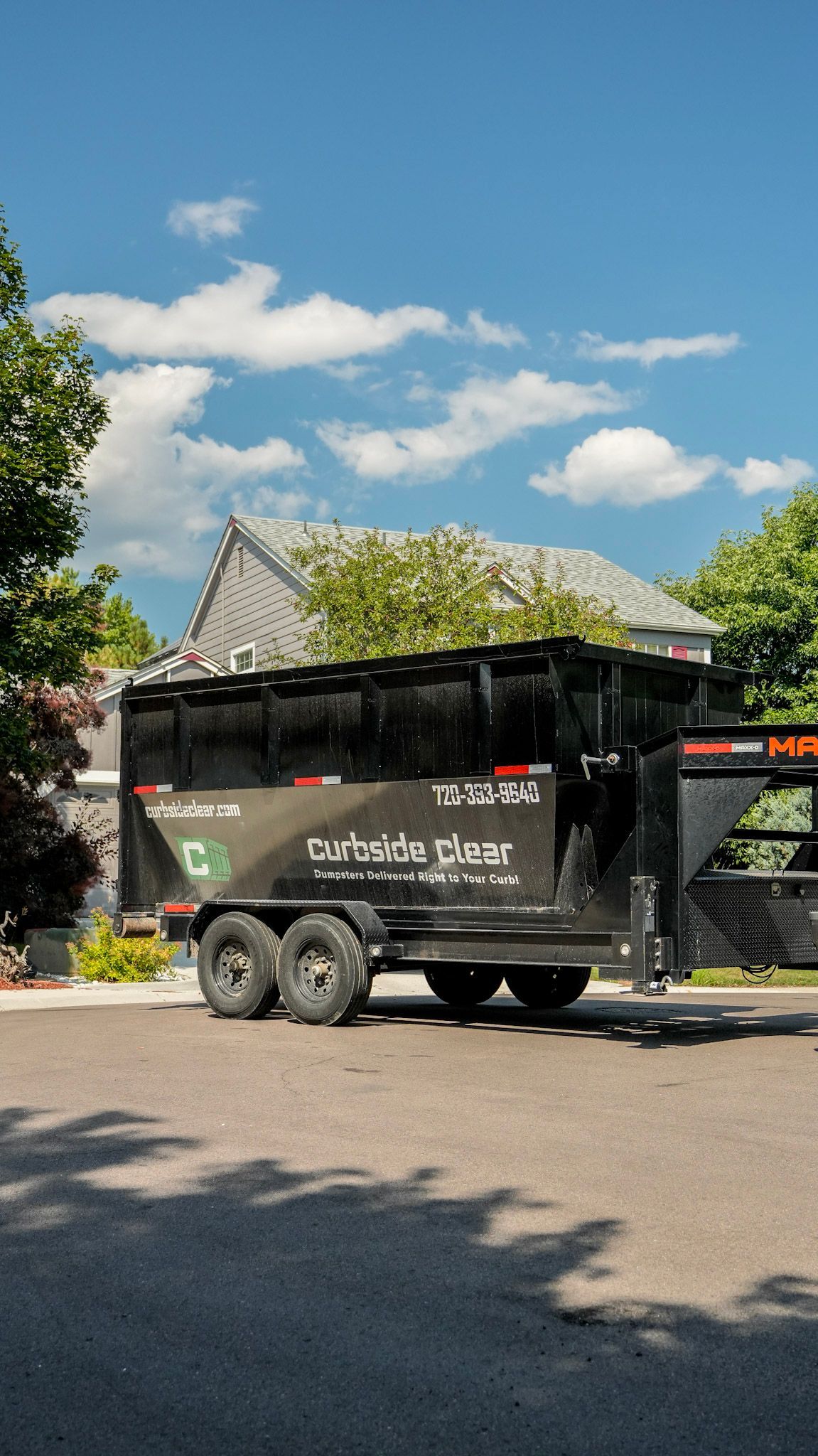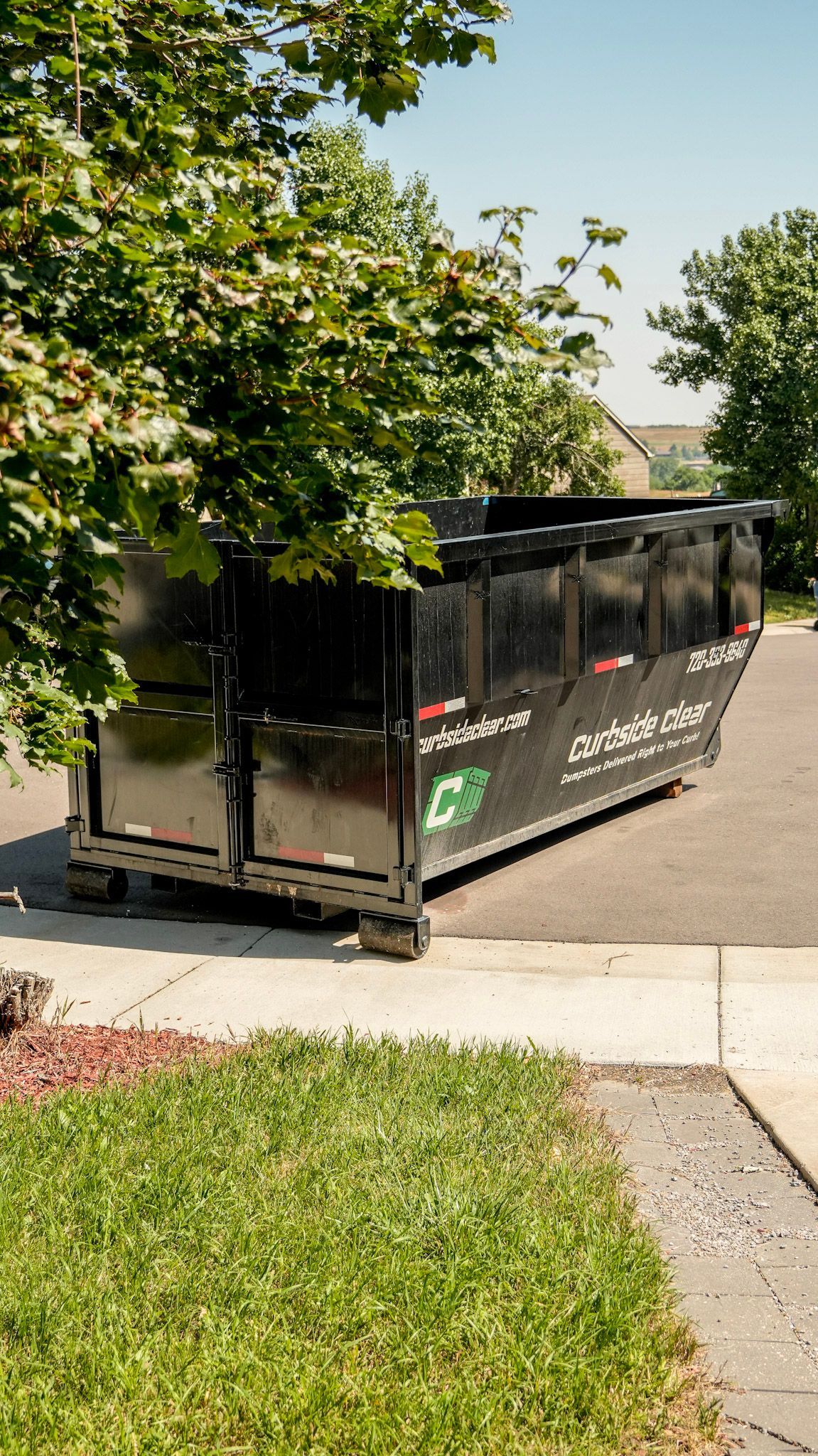
Wondering what you can throw in a rolloff dumpster? This complete guide covers everything that's allowed and everything that's prohibited — straight from Curbside Clear, your local dumpster rental company in Broomfield and Westminster, CO.
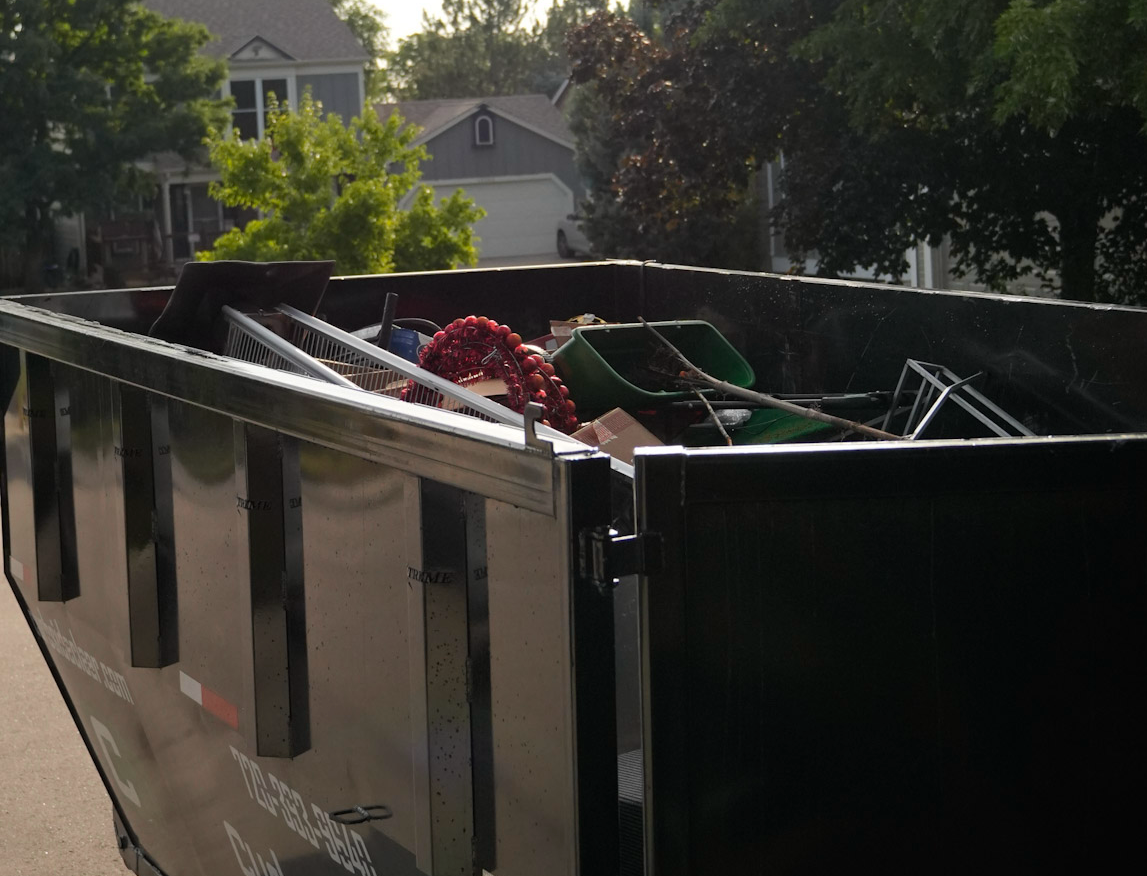
What Can (and Can't) Go in a Rolloff Dumpster? A Complete Guide for Colorado Homeowners and Contractors
You've got the dumpster sitting in your driveway. You've got a pile of stuff you want gone. But before you start tossing everything in, it's worth knowing what's allowed — and what absolutely cannot go in a rolloff dumpster.
At Curbside Clear, we serve homeowners, contractors, real estate investors, and property managers across Broomfield, Westminster, Arvada, Thornton, and the North Denver metro area. We get questions about acceptable dumpster materials every week. This guide gives you the full, no-nonsense breakdown.
What CAN Go in a Rolloff Dumpster
The good news: rolloff dumpsters are incredibly versatile. Whether you're doing a kitchen remodel, clearing out a garage, tearing off a roof, or flipping a house, a rolloff dumpster can handle the bulk of your debris. Here's a comprehensive list of what's accepted:
Household Junk and Furniture
- Wooden furniture (tables, chairs, bed frames, dressers)
- Metal furniture (shelving, filing cabinets, patio furniture, lawn furniture)
- Mattresses
- Old luggage
- Broken toys
- Household junk (general clutter, non-hazardous items)
- Packaging materials (boxes, foam, wrap)
- Cardboard (flattened is best)
- Paper
- Plastics
- Rugs and carpet
Appliances
- Microwaves
- Dishwashers
- Washers and dryers
- Stoves and ovens
- Grills (without propane or gas tanks — tanks must be removed first)
- Televisions
- Monitors
Construction and Demolition Debris
- Drywall and drywall debris
- Insulation
- Flooring (hardwood, laminate, LVP, vinyl)
- Carpet and carpet padding
- Tile (ceramic, porcelain, stone)
- Plywood and lumber
- Doors (interior and exterior)
- Windows and window frames
- Trim and molding
- Cabinets (kitchen, bathroom, laundry)
- Countertops
- Sinks and toilets
- Bathtubs
- Siding (vinyl, wood, fiber cement)
- Roofing materials and shingles (in appropriate dumpster size)
- Paneling
- Screens
Yard Waste and Landscaping Debris
- Grass clippings and sod
- Leaves and brush
- Shrubs and shrub trimmings
- Tree clippings and branches
- Mulch
- Dirt and sand (check weight — heavy materials fill up fast)
Heavy Materials (Best in a 5 Yard Dumpster)
- Concrete and broken concrete
- Bricks
- Barrels
- Metals and scrap metal
**Important note on heavy materials:** Concrete, bricks, and other dense materials are extremely heavy. For these, we recommend our 5 yard rolloff dumpster, which is specifically rated for heavy loads. Even though it's our smallest container, it can fill up on weight before it fills up on volume when you're dealing with concrete or brick.
Other Accepted Items
- Food waste (bagged only — no loose food waste)
- Fluorescent tubes
- Glass
- Bikes
- Old paint cans (dry — see below for liquid paint)
What CANNOT Go in a Rolloff Dumpster
This list is just as important as the one above. Prohibited materials exist for safety, environmental, and legal reasons — and disposing of them improperly can carry serious consequences for everyone involved. If an item on this list is found in a dumpster, additional fees may apply and the material will need to be removed before the dumpster can be hauled.
Hazardous Chemicals and Liquids
- Gasoline
- Motor oil
- Antifreeze
- Flammable liquids
- Solvents
- Freon
- Liquid paint (dry paint cans are fine — the paint must be completely solidified)
- Herbicides and pesticides
- Chemical products of any kind
- Contaminated oil (mixed with gasoline or solvents)
Pressurized and Fuel Containers
- Propane tanks
- Aerosol cans
- Equipment containing gas or oil (lawnmowers, generators — must be fully drained first)
Hazardous Waste and Regulated Materials
- Asbestos (requires licensed abatement and specialized disposal)
- Batteries (including car batteries and lithium batteries)
- Biohazardous materials and medical waste
- Radioactive materials
- Petroleum-contaminated soil
- Lead paint chips
- Industrial waste
Appliances with Refrigerants
- Refrigerators and freezers (contain Freon — require separate handling)
- Air conditioners (window units and central units — contain refrigerants)
Miscellaneous Prohibited Items
- Animals (live or deceased)
- Liquids of any kind
Where to Take Items That Can't Go in a Dumpster
Just because something can't go in a rolloff dumpster doesn't mean you're stuck with it. Here are a few options for properly disposing of prohibited materials in the Denver metro area:
- Hazardous household waste: Jefferson County and Adams County both run periodic HazWaste collection events where residents can drop off paint, chemicals, batteries, and more for free.
- Refrigerators and AC units: Appliance recycling programs and scrap metal dealers can often take these off your hands.
- Batteries: Most hardware stores (Home Depot, Lowe's) and auto parts stores (AutoZone, O'Reilly) accept used batteries for recycling.
- Electronics and computers: Best Buy and Staples offer electronics recycling, and many Colorado municipalities have e-waste drop-off programs.
- Propane tanks: Many hardware stores accept small propane tanks for exchange or disposal.
Pro Tips for Filling Your Dumpster the Right Way
Now that you know what's in and what's out, here are a few practical tips for loading your rolloff dumpster efficiently and safely:
1. Load flat and even. Piling debris too high in one spot wastes space. Spread it out and fill every corner.
2. Never load past the fill line. This is non-negotiable — dumpsters cannot be legally transported when overloaded. If debris is above the top rail, it needs to come out before we can haul.
3. Break down bulky items. Disassemble furniture, flatten cardboard boxes, and cut lumber into manageable pieces when possible.
4. Heavy stuff goes on the bottom. Concrete chunks, bricks, and heavy tile should be loaded first at the bottom of the dumpster.
5. Bag loose materials. Loose dirt, mulch, food scraps, and small debris should be bagged before going in.
6. Keep prohibited items out from the start. Once hazardous materials contaminate a load, the entire dumpster may need to be inspected, which can delay your pickup and result in extra fees.
Why Prohibited Items Matter More Than You Think
It's tempting to think of the prohibited items list as a technicality — something to skim past. But it's worth understanding why these restrictions exist, because they affect more than just your bill.
When a rolloff dumpster is hauled to the landfill, it gets weighed and inspected. If hazardous materials are found — gasoline, paint, batteries, refrigerants — the entire load can be flagged, which causes delays, generates cleanup costs, and can result in serious fines depending on what was found and in what quantity. Those costs typically get passed back to the person who rented the dumpster.
Beyond the financial consequences, improper disposal of hazardous materials creates real environmental problems. Motor oil, antifreeze, and contaminated soil can leach into groundwater. Batteries contain heavy metals. Asbestos fibers, if disturbed and spread, pose serious health risks. The disposal rules exist for good reason, and following them protects your wallet, your community, and the environment.
The good news is that for most residential renovation and cleanout projects, the prohibited list rarely comes up. Standard construction debris, household junk, furniture, appliances, and yard waste are all completely fine — and that covers the vast majority of what you're likely throwing out.
Common Questions About What Goes in a Rolloff Dumpster
Can I put old carpet in a rolloff dumpster?
Yes — carpet, carpet padding, and rugs are all accepted. Roll the carpet tightly and cut it into manageable lengths to maximize space.
Can I put a mattress in a rolloff dumpster?
Yes. Mattresses, box springs, and bed frames are all acceptable. They're bulky, so they tend to take up a lot of visual space in the dumpster — but they're allowed.
Can I put shingles in a rolloff dumpster?
Yes — asphalt roofing shingles are accepted. Keep in mind that shingles are surprisingly heavy for their size, so for a full roof tear-off, it's important to match your dumpster size to both the volume and the weight of the shingles coming off. We can help you figure out the right size when you book.
Can I put dirt and sod in a rolloff dumpster?
Yes, with a caveat. Regular yard dirt, sod, and clean fill are accepted, but they're heavy. If you're clearing a large area of sod or hauling significant amounts of dirt, you'll hit the weight limit fast. For heavy landscaping debris, the 5 yard dumpster is often the smarter call.
Can I put paint cans in a rolloff dumpster?
It depends. Completely dry, solidified paint cans are acceptable. Liquid paint — even a can that's mostly empty — is not. To dry out paint cans quickly, leave the lids off in a well-ventilated area for a few days until the paint hardens completely.
Can I put tires in a rolloff dumpster?
Yes — tires are accepted in our rolloff dumpsters. If you're clearing out a property or a garage with a pile of old tires, toss them in.
Can a lawnmower go in the dumpster?
Yes, but only if it has been fully drained of gas and oil first. Any equipment that runs on fuel must be emptied before it goes in the dumpster — even trace amounts of fuel or oil can cause problems.
What about fluorescent light bulbs?
Fluorescent tubes are accepted in our dumpsters. However, if you have large quantities of fluorescent bulbs (from a commercial property cleanout, for example), check with us first, as local regulations can vary.
A Note for Contractors and Renovation Crews
If you're a general contractor, roofing contractor, flooring installer, or demo crew working in the Broomfield or Westminster area, one of the most important things you can do before your crew starts loading is make sure everyone on site knows the prohibited items list. One person tossing a propane tank or a refrigerator into the dumpster without thinking can create a headache for the whole job — inspection delays, extra fees, and the hassle of removing the item before pickup.
A quick rundown at the start of the job takes five minutes and saves a lot of frustration. Post the prohibited items list somewhere visible on site if you need to. We're happy to talk through any project-specific questions when you book with us.
Have a Question About a Specific Item?
Not sure if something can go in the dumpster? Just call us. We're a local company serving Broomfield, Westminster, Arvada, Thornton, Northglenn, and the greater North Denver metro area — we'll give you a straight answer without putting you on hold for 20 minutes.
Book your rolloff dumpster online at curbsideclear.com or give us a call at (720) 393-9640. We'll get a dumpster delivered right to your curb, so you can focus on getting your project done.